

– Mar. 30, 2026 –
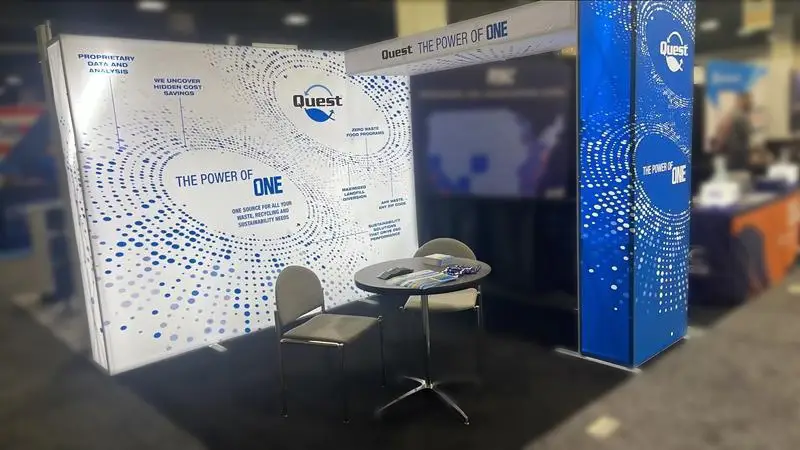
The air in Denver is famously thin, but at the 2026 Restaurant Facility Management Association (RFMA) conference from March 15-17, the atmosphere was thick with innovation. Thousands of leaders gathered to share the blueprint for the future of restaurant and facilities operations. Quest walked the exhibit hall floors, shook hands at our booth and sat in on panels that challenged how we think about the spaces we build and the resources we consume.
The restaurant industry is a living, breathing ecosystem. Every grease trap, HVAC unit and digital kiosk plays a crucial role in the survival of a brand. As we listened to experts discuss the shifting terrain of our industry, a clear theme emerged. Success relies on looking beyond the surface and optimizing the systems operating quietly behind the scenes.
Here is a look at the most compelling insights we gathered and how we can apply them to build stronger, more resilient operations.
The Hidden Costs of Keeping the Lights On
Many businesses focus purely on strategy, but execution often decides a restaurant’s fate. A presentation on vendor performance offered a sobering thought: organizations rarely fail from bad strategy. They bleed from small vendor failures.
When service providers miss the mark, the consequences ripple outward. You face operational delays, frustrated staff and inconsistent guest experiences. The solution presented was both elegant and actionable: the vendor scorecard.
- Score Objectively: Rate vendors on a simple scale. Anything below a 70 is a signal to look for a replacement.
- Watch for Red Flags: Repeat issues on the same asset, inconsistent pricing and high variability between locations are clear warning signs.
- Keep It Simple: A simple scorecard used consistently beats a perfect system never used.
At Quest, we understand that reliability is the bedrock of partnership. When a vendor stops services unexpectedly, it creates a detrimental ripple effect across the entire restaurant. We engineer our environmental solutions to be proactive, ensuring your back-of-house operations run without a hitch so your front-of-house can shine.
The AI Illusion Versus Data Reality

Artificial intelligence dominated several conversations at RFMA 2026, yet the reality on the ground tells a different story. While 73% of organizations are exploring AI initiatives, most attendees admitted they are still trying to figure out how to implement it. Furthermore, 54% of AI projects fail to move beyond the pilot stage.
The problem is not the technology. The problem is the data feeding it. AI thrives when fed consistent, high-quality information. If your site managers keep their own spreadsheets and your systems remain disconnected, AI cannot save you.
- Clean Your Data: Invest in data hygiene before investing in algorithms.
- Define Success: Ask yourself if you can clearly define success in numbers before launching a new tech initiative.
- Know Your Scale: AI readiness peaks when you have 150+ locations, providing the data volume necessary for accurate predictions.
Technology should augment your team, not replace it. The goal is not simply to have AI. The goal is to solve problems that matter to your business.
Access, Equity and the Human Element
The physical and digital landscapes of restaurants are changing. Accessibility is no longer just about building a ramp. It requires rigorous, ongoing verification. ADA compliance now extends firmly into the digital realm, covering everything from self-order kiosks to drive-thru menu displays.
Proactive remediation of these barriers can reduce corrective costs by up to 30%. More importantly, over 40% of guests say accessibility directly affects their perception of brand professionalism. Start your audits at the exterior parking lot and work your way inward, prioritizing high-risk areas like guest restrooms.
Simultaneously, we face a critical human challenge. The restaurant industry relies heavily on skilled trades, yet the workforce is aging rapidly. We must shift the narrative. Tradespeople can match bachelor’s degree earnings after just two years of apprenticeship. By embracing augmented reality and bringing new talent into the fold, we secure the future of skilled labor in our kitchens and facilities.
Protecting the Brain: How Quest Elevates the Industry
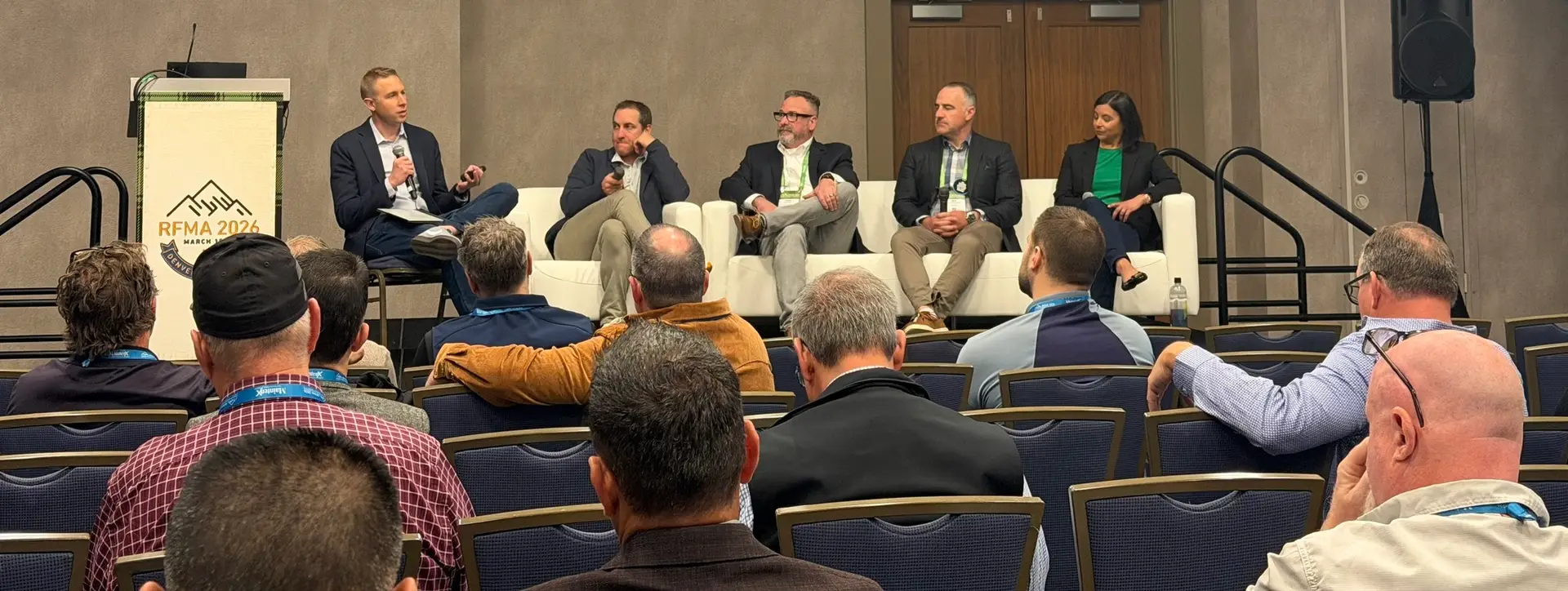
During a session titled “Protecting the Brain,” experts discussed the importance of exterior projects, signage and overall brand improvement. This concept perfectly aligns with our philosophy at Quest. We handle the complex, unseen back-end logistics so you can focus entirely on your front-end customer experience.
Our conversations at the Quest booth revealed that many operators still view environmental and resource recovery programs through a narrow lens. But we offer far more than meat and potatoes services. We provide comprehensive solutions that protect your physical assets and your brand reputation.
- Preventative Maintenance: We handle grease traps and vent hoods before they become costly emergencies.
- Regulatory Compliance: Our teams manage backflow testing and emergency lighting inspections to keep you up to code.
- Seasonal Resilience: We champion initiatives like the annual clean-out of exterior containers, preventing organic materials from freezing and sticking during harsh winters.
We design these programs to eliminate the friction that slows you down. When you partner with a provider that treats your resources with respect and your operational uptime as a sacred duty, you unlock new levels of efficiency.
As we leave the mountains of Denver behind, we carry with us a renewed sense of purpose. The restaurant industry is evolving, demanding smarter data, better vendors and a deeper commitment to sustainability. At Quest, we stand ready to help you navigate this changing terrain, turning everyday operational challenges into a competitive advantage.