
August 13, 2026
Most industrial operations with real scrap volume already have a vendor, a container and a pickup schedule. But having a program is not the same as maximizing what that program returns. The metals your purchasing team once bought as a capital investment—raw material, tooling, equipment—eventually exit through the back door as scrap. When that happens, responsibility often shifts from procurement to EHS, Facilities Management or Operations. And in that handoff, the focus on recovering full value can quietly disappear.
That approach costs you twice. You pay to manage a material that holds genuine market value, and you miss the revenue that same material could return. Here’s how to recognize the problem and turn it into an advantage.
Where Investment Recovery Begins
Every metal that leaves your facility as scrap once entered it as an asset—purchased by your procurement team, assigned a value and put to work. Copper, aluminum, steel, brass and stainless don’t lose that worth when they reach end of life. They simply change form. Treating them through an asset recovery or investment recovery lens means recognizing that value and building a program designed to capture it. Without that discipline, recoverable worth slips away through a few common gaps:
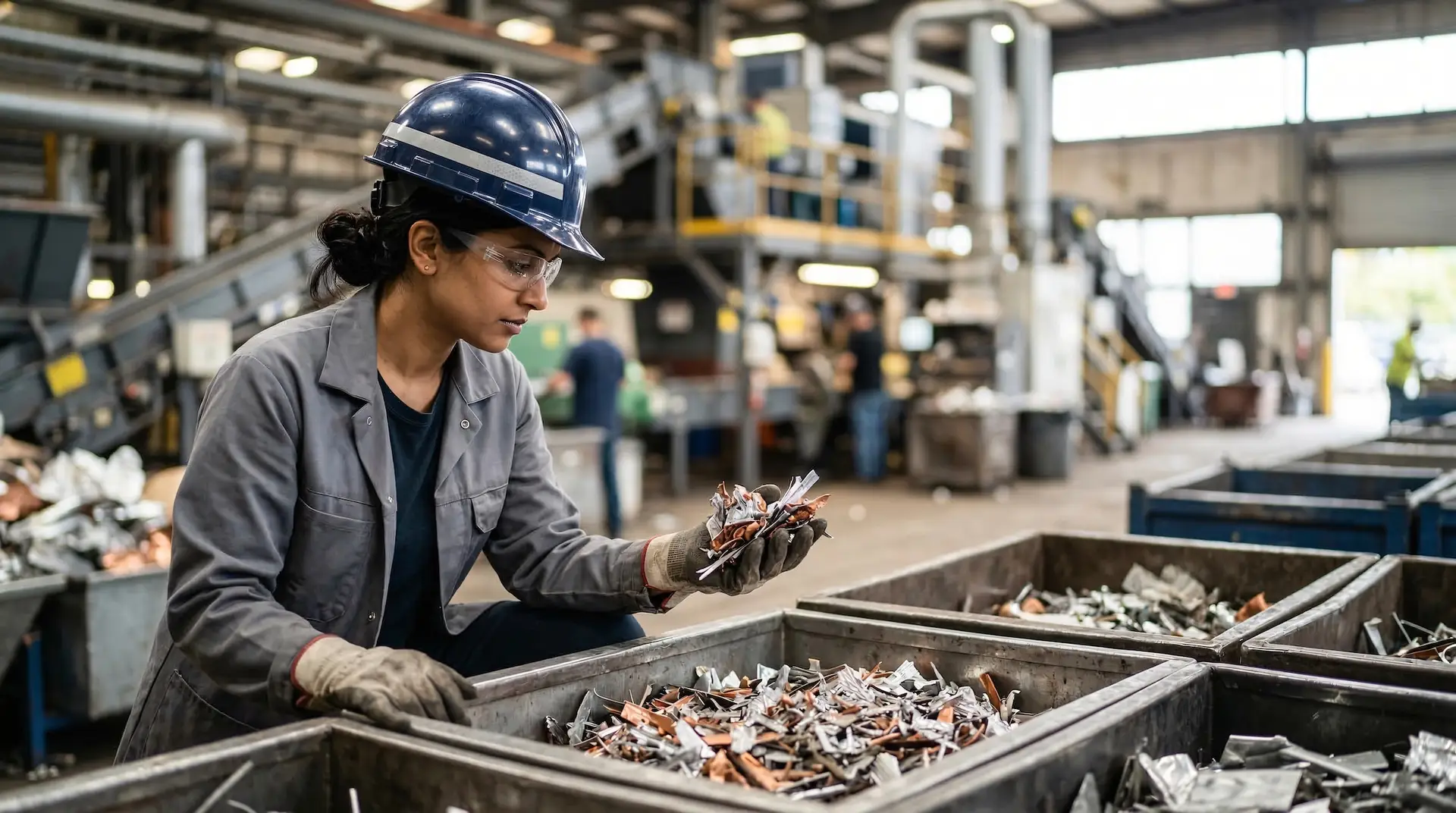
- Inadequate segregation. Mixing high-value metals with low-grade scrap collapses your return to the lowest common denominator. Proper sorting by metal type at the source is the single fastest way to increase what your program pays back.
- Missing or unverified documentation. Every load should come with a state-certified scale ticket showing gross, tare and net weights. Without it, you have no way to verify what left your facility, no paper trail for compliance and no defense against potential abuses.
- Undersized or mismatched equipment. The right baler, chopper, wire-stripper, compactor or drum crusher can dramatically increase the density and purity of your material—and therefore its value. Running the wrong equipment for your volume or material mix quietly costs you on every load.
- Poor buyer selection. Not all scrap buyers are equal, and not all are the right fit for your specific materials. Some end-users actively seek particular grades or alloys and will pay a premium to secure them. Settling for the nearest or most convenient buyer rarely gets you the best return.
- Hidden freight economics. In the scrap business, the generator typically bears freight costs—whether those costs are disclosed or buried in a lower net price. Understanding the true logistics picture is essential to evaluating what your program actually returns versus what it appears to return.
Individually, these gaps seem minor. Across a full year of operations, they add up to significant lost revenue and unnecessary cost.
The Levers That Separate a Good Program From a Great One
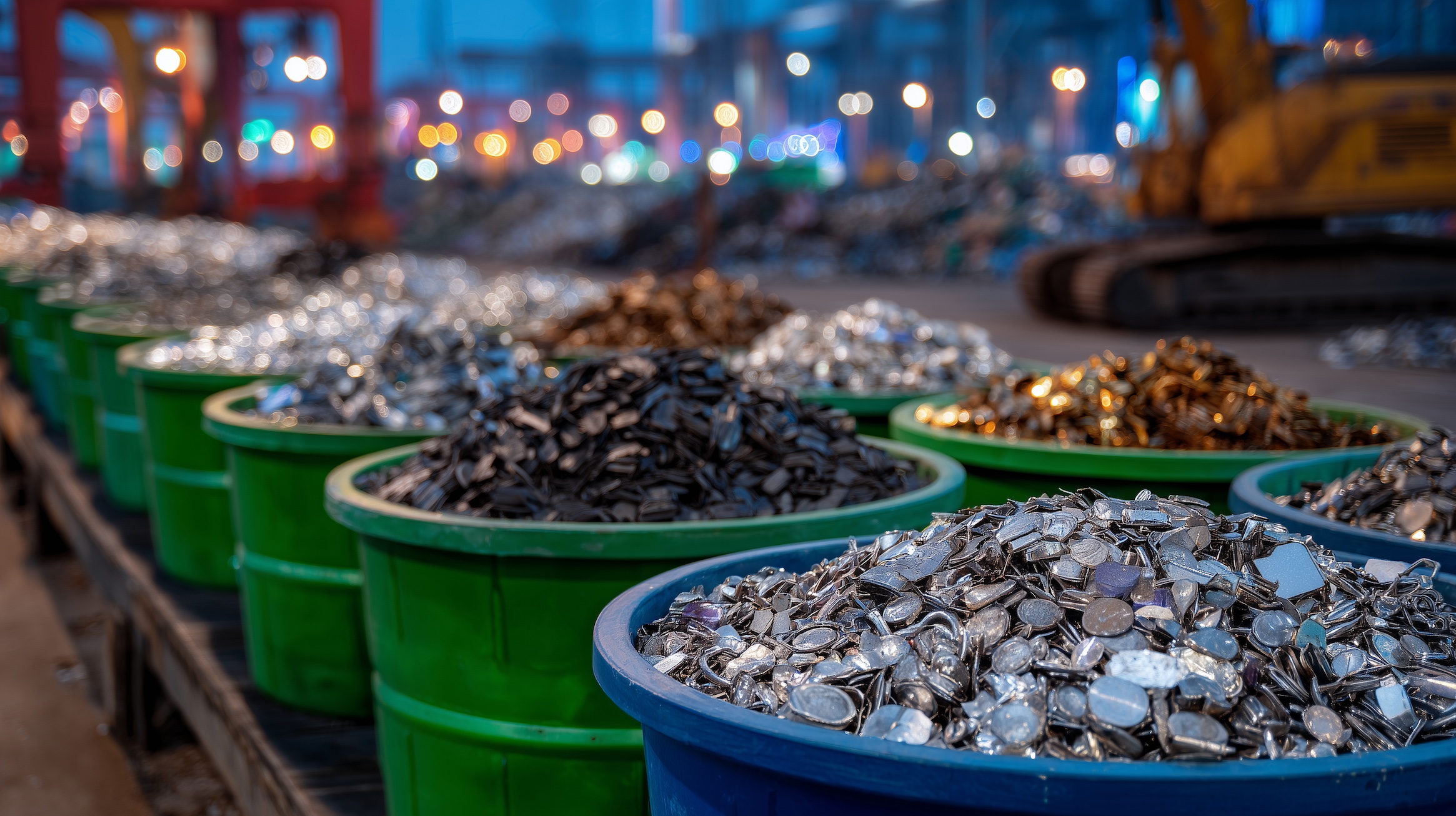
Segregation, grading, and equipment right-sizing. Sorting materials correctly at the source is the foundation of every strong scrap program. When high-value metals are separated from lower-grade material, you capture the true market rate for each rather than settling for a blended average. Equipment matters just as much: the right baler, chopper, wire-stripper, compactor or drum crusher increases material density and purity, which directly raises your return.
Proper buyer selection and marketing. Not all scrap buyers offer the same value, and finding the right end-user for your specific material—one who actively seeks that grade or alloy—can significantly increase what your program returns. Beyond pricing, logistics is often the single biggest factor in net recovery. Generators typically bear freight costs, whether those costs are clearly disclosed or quietly embedded in a lower offered price. Understanding the true logistics picture is essential to evaluating what your program actually earns versus what it appears to earn on paper.
Documentation, chain of custody, and certified destruction. Every load that leaves your facility should be accompanied by a state-certified scale ticket showing gross, tare and net weights. But accountability doesn’t stop at the gate. Quest verifies the entire chain of custody and final disposition of your scrap—giving you a complete, auditable record of where your material went and how it was handled. For generators with proprietary scrap they cannot allow back into the market—whether for competitive, regulatory or brand-protection reasons—Quest can also design and implement a certified destruction process, ensuring that sensitive material is permanently and verifiably eliminated rather than resold or reused.
How Quest Maximizes What Your Scrap Program Returns
Quest manages more than 100 waste streams for industrial operations across the country, and scrap metal asset recovery is a discipline where our expertise delivers measurable results. We work with generators who already have a program in place to sharpen every element of it—tightening segregation, right-sizing equipment, improving buyer selection, bringing full transparency to freight and logistics, and verifying the complete chain of custody from pickup through final disposition. The goal is not simply to move your scrap. It is to make sure your program returns everything that material is worth—and that every step along the way is documented, controlled and accountable.
Our approach rests on a few core strengths:
- Program evaluation and benchmarking. We assess your existing scrap program against what it should be returning—identifying gaps in segregation, documentation, equipment and buyer relationships so you have a clear picture of where value is being lost.
- Certified documentation and weight accountability. Every load Quest manages is supported by certified scale tickets showing gross, tare and net weights, protecting you from discrepancies and giving you audit-ready records your program demands.
- Certified destruction for proprietary scrap. When certain materials cannot be allowed back into the market, Quest designs and implements a certified destruction process—with full documentation—so sensitive scrap is eliminated, not resold.
- Chain of custody verification. We track and verify the complete disposition of your scrap from pickup through final processing, so you always know exactly where your material went and how it was handled.
- Equipment right-sizing. We evaluate whether your current containers and processing equipment match your actual material mix and volume—and help you implement the right tools where they’ll make a measurable difference.
- Scrap marketing and buyer selection. We connect your materials to the right buyers and end-users, including those actively seeking specific grades or alloys, to maximize your net return.
- Logistics and freight optimization. We bring full transparency to the logistics picture, structuring pickups and routing so those costs work in your favor.
- Dedicated account management. A committed team monitors program performance, tracks recovery data and refines your approach over time.
Having a scrap program is a start—but it’s rarely the whole story. Even well-established programs can quietly underperform through weak documentation, mismatched buyers, hidden freight costs or missed processing efficiencies. If any of those gaps exist in yours, value is leaving your facility that you’ll never get back. The good news: closing those gaps doesn’t require starting over.
The process is easier than you’d think: share where you are today and what you want to achieve, and we’ll design a program built around your goals.
Ready to maximize what your scrap program actually returns? Contact Quest today.